
SCONE – Sustainable Cooperation Network
Project Duration:
01.07.2024 – 30.06.2027
Project Sponsor:
This project is funded by the European Regional Development Fund within the scope of the Interreg South Baltic Program.
Project Partners:
CELF (Denmark) – Lead Partner
University of Rostock - Chair of Business and Entrepreneurship Pedagogy (Germany)
Rietavas Laurynas Ivinskis High-school (Lithuania)
Rietavas Tourism and Business Information Center (Lithuania)
University College Absalon - Center for School and Learning (Denmark)
Association of Polish Communes Euroregion Baltic (Poland)
Project Description:
Climate change has become the most pressing challenge for the global population in the 21st century. The next generations must equip themselves with knowledge, skills and determination to overcome it. However, many young people feel overwhelmed by that task, leading to a rise in climate anxiety among young people worldwide (European Climate and Health Observatory, 2022).
While some young people are motivated by these concerns to engage in climate protection actively, many others experience a sense of paralysis. They find it difficult to perceive how their efforts can yield meaningful impact, particularly when undertaken independently rather than as part of a collective movement.
While many countries offer some form of environmental education, there remains a lack of efforts focusing on sustainability education and the associated skills for action.
SCONE aims to close that gap by developing innovative educational programs, that offer the youth the knowledge and skills they need in the face of the global warming crisis. By fostering a sense of agency and collective responsibility, it seeks to empower future generations to assume a leading role in the fight against climate change.
The focus of the SCONE – Project is to improve the collaboration in the southern Baltic Sea region to tackle climate anxiety among students. Its goal is to improve cooperation, encourage the exchange of knowledge and innovation, to support innovative teaching methods and extracurricular activities. Through these initiatives, the project aims to empower learners to inspire one another, while also establishing regional networks that can confront global climate challenges at both local and regional levels.
Key Competences
- Empowered learners:
Learners will improve and solidify their ability for cross-border collaboration by working together on sustainability issues. Their efforts will be showcased in sustainability camps and hackathons, encouraging them to participate in the project and tackle climate challenges actively.
This is supported by:
- Collaborative pedagogy:
The project recognizes the crucial role of schools and teachers in facilitating impactful change that inspires and unlocks both learning and action potential. Teachers play a vital role in promoting and supporting young people's learning activities while giving them the freedom to develop their initiatives.
- Formalized network:
The project will result in the establishment of a network of organizations with strengthened collaborative capabilities. These organizations will work together to promote sustainability using a holistic school-wide approach.
- Improved teacher capacity:
Secondary school teachers and Universities of pedagogy will increase their ability to cooperate by focusing on education for sustainability as a didactic practice. This will enable them to guide and support learners effectively.
- Advances in research:
Researchers will strengthen their capacities through joint action research on education for sustainability, which will provide valuable insights in this area.
Extension:
Methods and best practice procedures will be disseminated by a MOOC made available in the Baltic Euroregion, the Erasmus network, higher education institutions and local or regional institutions.
Permanence:
The formalization of the network will allow continued collaboration of learners and teachers after the duration of the project. The MOOC will be hosted on an e-learning platform at the end of the project.
If you have any questions about the project, please feel free to contact our project team:
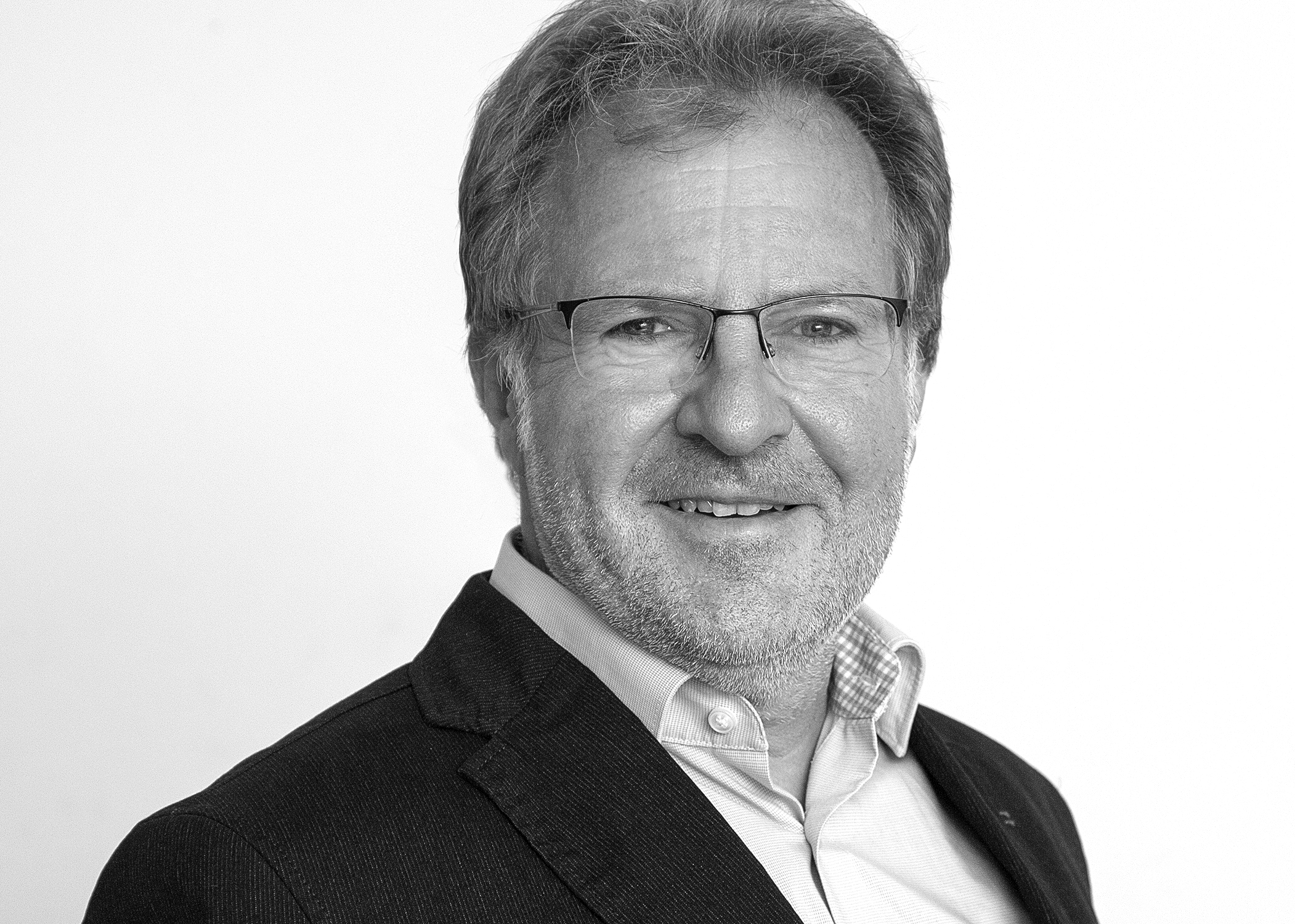
Chair
Room 232
Fon +49 381 498 4560
Fax +49 381 498 118 4562
E-Mail andreas.diettrich@uni-rostock.de
During the lecture-free period, consultation hours only take place by prior appointment by e-mail.
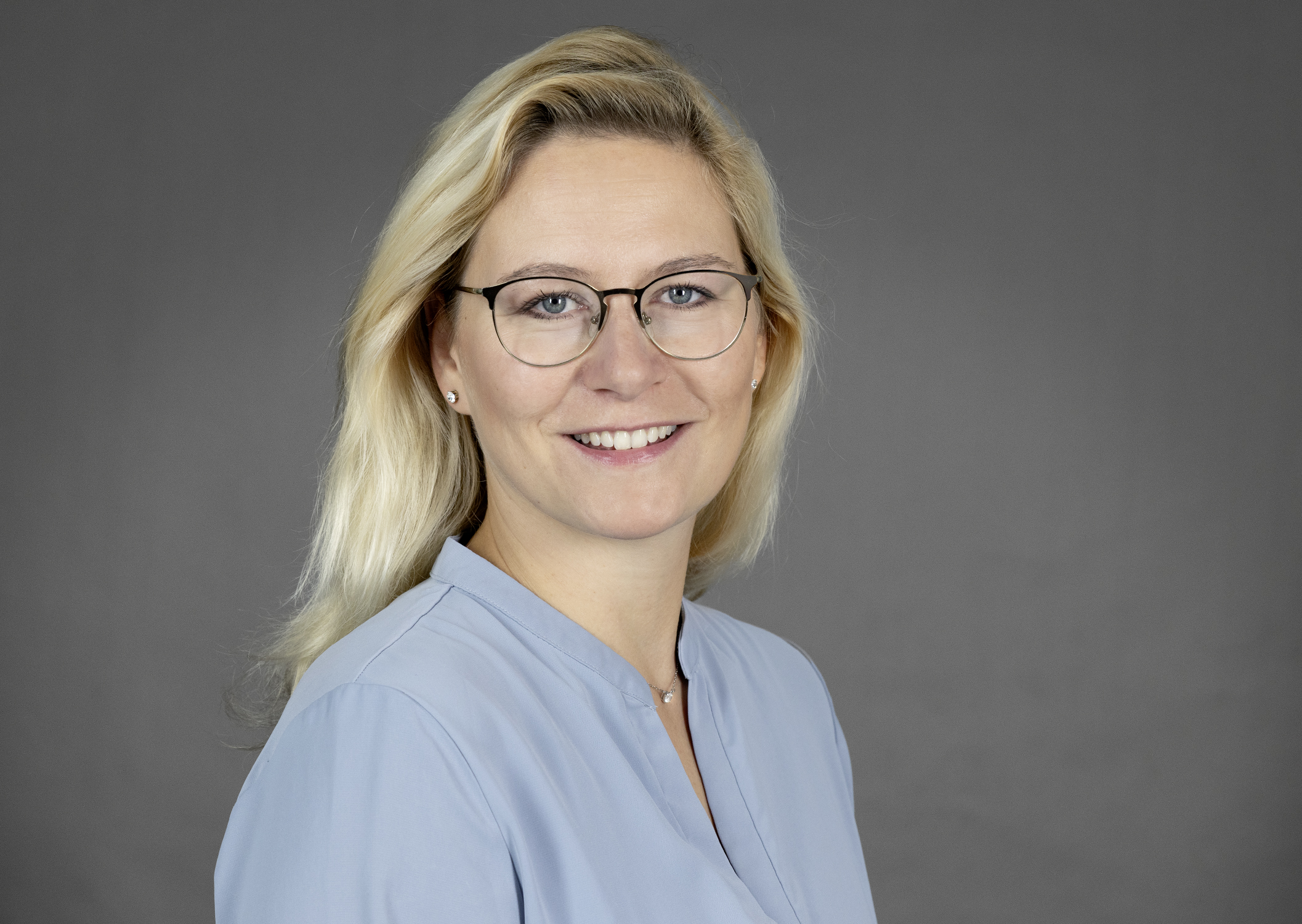
Research associate/Deputy Dean International
Room 231
Fon +49 (0)381 498 4556
Fax +49 (0)381 498 118 4562
Mail franka.herfurthuni-rostockde
Consultation hours by appointment
Franka Marie Herfurth is Deputy Dean International.
More information on international